This project aims to develop preventive and therapeutic methods to halt the progression of very early-stage glucose metabolism abnormalities and restore normal function, as well as to develop noninvasive methods for detecting individuals with very early-stage glucose metabolism abnormalities and those with co-morbidities. To this end, we will conduct our research in close collaboration within and among the following R&D Groups (101–104).
Group 101: Early Detection of Diabetes and Comorbidities
We will advance research on diabetes and its comorbidities—such as heart failure and hypertension—by developing methods to detect signs of these conditions in their very early stages without blood draws, using contact or non-contact devices; by utilizing Palette Polygenic Risk Score (PRS) technology to enable genomic diagnosis of diabetes risk; by developing diagnostic technology for stress memory in hematopoietic stem cells; and by identifying blood biomarkers from cohort data, with the goal of implementing each of these approaches.

Simply by looking into the camera mounted on the mirror-style digital sign (right) for a few seconds, the system can detect your heart rate, blood pressure, and even your diabetes status.
Group 102: Elucidating the Pathophysiology of Diabetes and Comorbidities Based on Inter-Organ Networks
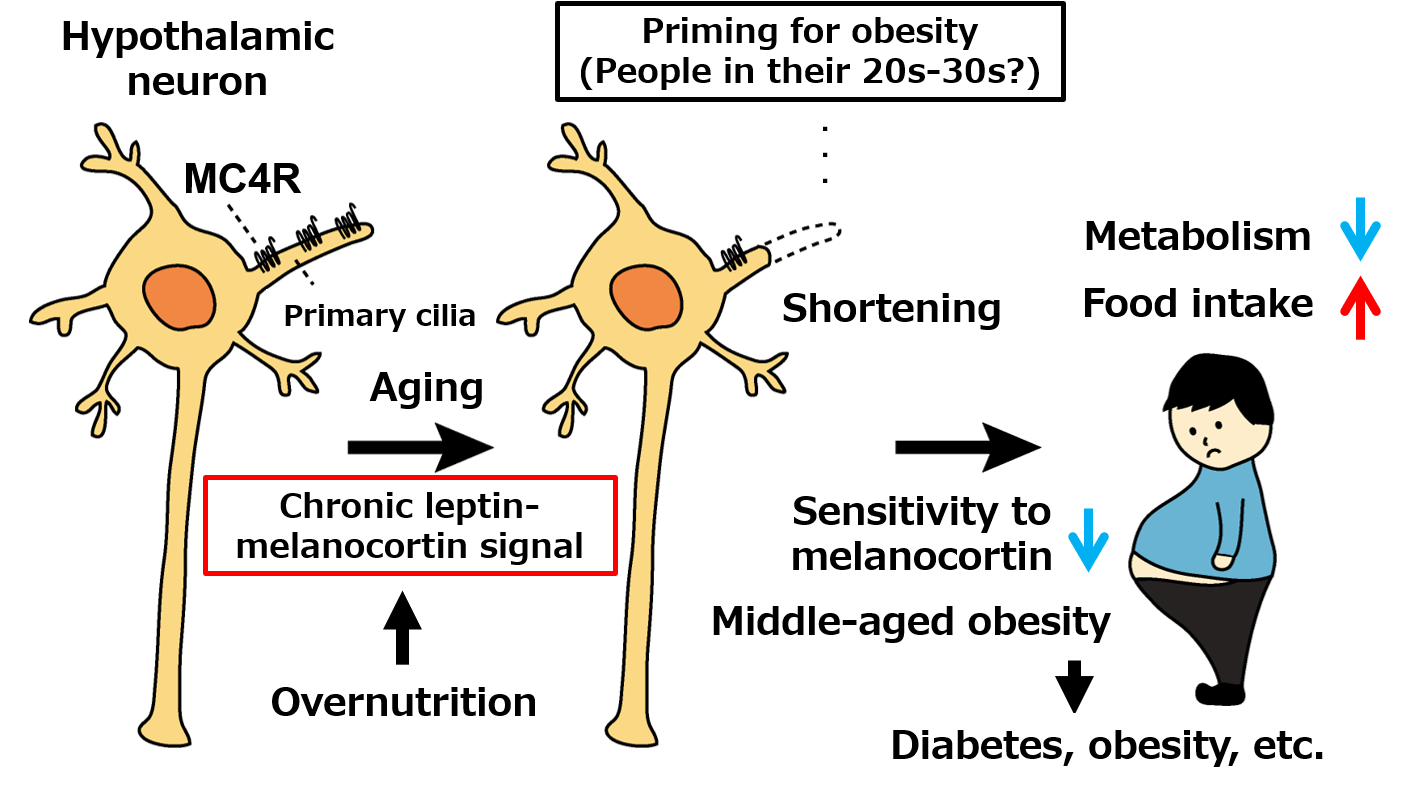
We will analyze changes in the nervous system—including the central nervous system—and in various organs and tissues such as the liver, adipose tissue, intestines, bone marrow, kidneys, and cerebral vasculature during the early stages of diabetes onset and the development of diabetic comorbidities. We will investigate the onset of diabetes and its effects at the organismal level through inter-organ networks. Based on these findings, we will identify pathological molecules and mechanisms that can lead to the prevention of diabetes, obtain proof of concept (POC) primarily using animal models, and establish a foundation for application in humans.
https://en.nagoya-u.ac.jp/news/articles/research_information_198/
Group 103: Development of Methods for the Prevention and Treatment of Diabetes and Comorbidities
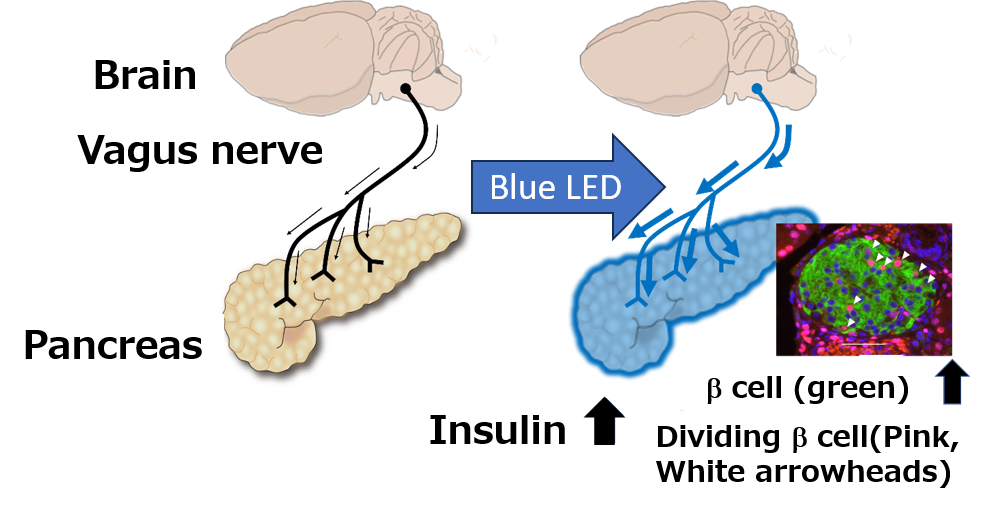
By leveraging inter-organ networks and focusing on methods that stimulate the vagus nerve, agents that act on afferent nerves, lipid-related receptors, and beneficial substances such as gut bacteria and their metabolites, we will develop approaches that lead to the prevention and treatment of diabetes through an increase in pancreatic β-cells and the prevention and treatment of obesity through an increase in basal metabolism, thereby laying the groundwork for their implementation.
https://www.tohoku.ac.jp/en/press/stimulating_nerves_connected_to_pancreas_regenerates_insulinproducing_cells.html
Group 104: Understanding Homeostasis and Pathology Through Mathematical and Computational Science Approaches
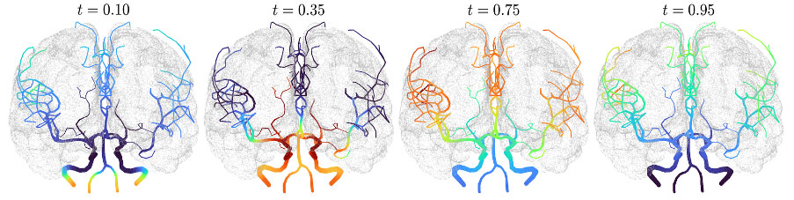
We will construct and implement a mathematical model centered on glucose metabolism and the circulatory system to comprehensively understand the inter-organ networks in humans and apply this model to the analysis of comorbidities. We will also develop components for a mathematical platform for future medicine equipped with a parameter identification tool and an intuitive user interface. Furthermore, by leveraging mathematical and computational science approaches and integrating them with biological research, we will conduct cross-cutting analyses of metabolic and circulatory systems. We will also translate high-resolution basic findings obtained from experimental animal models into an understanding of the complex pathophysiology of diabetes in humans and the development of ultra-early prevention and treatment methods. In addition, we will complete a multi-organ atlas at the single-cell level to advance our understanding of pathophysiology from a morphological perspective.
https://doi.org/10.1371/journal.pcbi.1013853